Ever wondered how a company sells to another business, which then sells to the end customer? That’s b2b2c in action—a game-changing model reshaping modern commerce. Let’s dive into how it works and why it matters.






What Is B2B2C? A Clear Definition

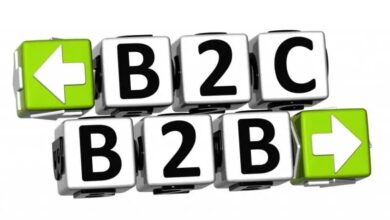
The term b2b2c, short for Business-to-Business-to-Consumer, describes a hybrid business model where one company (the first ‘B’) sells its products or services to another business (the second ‘B’), which then delivers them directly to the end consumer (the ‘C’). Unlike traditional B2B or B2C models, b2b2c combines elements of both, creating a collaborative ecosystem that benefits all parties involved.
How B2B2C Differs from B2B and B2C
While B2B focuses on transactions between businesses and B2C centers on direct sales to consumers, b2b2c bridges the gap. In a pure B2B model, the end user is rarely considered. In contrast, b2b2c strategies often require deep alignment with the end consumer’s needs, even though the direct sale is to a business partner.
- B2B: Focuses on ROI, efficiency, and long-term contracts.
- B2C: Emphasizes branding, emotional appeal, and quick decision-making.
- B2B2C: Balances both—driving business value while enhancing consumer experience.
“The b2b2c model isn’t just a transaction chain—it’s a value chain where every link must deliver for the end user.” — Harvard Business Review
Real-World Examples of B2B2C
One of the most prominent examples is Shopify, which provides e-commerce tools (B2B) to retailers who then sell products to consumers (B2C). Similarly, Oracle offers cloud infrastructure to airlines, which use it to power customer-facing booking systems. These cases show how the first business enables the second to serve the final customer more effectively.
The Evolution of B2B2C in the Digital Age
The rise of digital platforms has accelerated the adoption of the b2b2c model. As companies seek scalable, customer-centric solutions, b2b2c has emerged as a strategic response to fragmented markets and rising consumer expectations.
From Linear Chains to Ecosystems
Traditional supply chains were linear: manufacturer → distributor → retailer → consumer. Today, b2b2c transforms this into a dynamic ecosystem. For example, a fintech company might provide payment APIs (B2B) to an e-commerce platform, which uses them to offer seamless checkout (B2C). This integration creates a smoother, more personalized experience for the end user.
- Increased interdependence between businesses.
- Shared data and customer insights across partners.
- Joint branding and co-marketing initiatives.
Technology as the Enabler
Cloud computing, APIs, and AI have made b2b2c not just possible but profitable. Platforms like Amazon Web Services (AWS) allow SaaS providers to scale rapidly, embedding their tools into customer-facing applications. This technological backbone enables real-time collaboration and data sharing—key ingredients for b2b2c success.
“Without APIs, b2b2c would remain a theoretical concept. With them, it’s a revolution.” — TechCrunch
Key Benefits of the B2B2C Model
The b2b2c model offers compelling advantages for all stakeholders. When executed well, it drives growth, improves customer satisfaction, and creates sustainable competitive advantages.
For the First Business (B1)
The initial business—often a technology provider, manufacturer, or service enabler—gains access to a broader consumer base without building its own retail infrastructure. By partnering with established customer-facing brands, B1 companies can scale rapidly and reduce customer acquisition costs.
- Access to new markets through partner distribution.
- Lower marketing and logistics overhead.
- Opportunities for recurring revenue (e.g., SaaS subscriptions).
For the Second Business (B2)
The intermediary business benefits from enhanced offerings without the need for in-house development. For example, a bank using a third-party fraud detection system can improve security and customer trust instantly. This allows B2 companies to focus on their core competencies while leveraging external innovation.
- Faster time-to-market for new features.
- Improved customer experience through integrated solutions.
- Cost-effective access to cutting-edge technology.
For the End Consumer (C)
Consumers enjoy better products, more seamless experiences, and greater personalization. In a b2b2c setup, the final product often reflects the combined strengths of multiple specialized players. For instance, a smart home device might integrate hardware from one company, software from another, and a retailer’s customer service—all working in harmony.
- Higher product quality and reliability.
- More personalized and intuitive interfaces.
- Seamless omnichannel experiences.
Challenges and Risks in B2B2C
Despite its advantages, the b2b2c model is not without challenges. Coordination, data privacy, and brand alignment can become significant hurdles if not managed properly.
Alignment of Brand Values
When two businesses collaborate in a b2b2c model, their brand identities must align. A luxury fashion brand, for example, would hesitate to partner with a low-cost logistics provider if it risks diluting its premium image. Misalignment can confuse customers and damage trust.
- Need for shared brand guidelines.
- Joint customer service protocols.
- Consistent tone and messaging across touchpoints.
Data Sharing and Privacy Concerns
B2B2C often involves sharing customer data between partners. While this enables personalization, it also raises privacy issues. Regulations like GDPR and CCPA require strict compliance, and any breach can lead to legal and reputational damage.
“In b2b2c, data is power—but with great power comes great responsibility.” — Forbes
- Clear data ownership and usage agreements.
- Robust cybersecurity measures.
- Transparency with end users about data practices.
Dependency and Control Issues
The first business may become overly reliant on the second for customer access, while the second may feel constrained by the first’s technology limitations. This interdependence can lead to power imbalances and conflicts over pricing, innovation, or customer ownership.
- Risk of vendor lock-in.
- Disputes over customer relationship ownership.
- Challenges in negotiating fair revenue sharing.
B2B2C in E-Commerce: A Growing Trend
E-commerce is one of the most fertile grounds for b2b2c innovation. As online shopping evolves, companies are leveraging the model to offer integrated, end-to-end experiences.
Marketplaces as B2B2C Hubs
Platforms like Amazon, Alibaba, and Shopify operate as b2b2c enablers. They provide tools and infrastructure (B2B) to sellers who then reach millions of consumers (B2C). These marketplaces handle logistics, payments, and customer service, allowing brands to focus on product and marketing.
- Sellers gain instant access to global audiences.
- Marketplaces earn commissions and subscription fees.
- Consumers benefit from variety and convenience.
White-Label and Co-Branded Solutions
Many e-commerce companies use white-label products or co-branded services within a b2b2c framework. For example, a skincare brand might supply private-label products to a beauty subscription box service. The box company markets directly to consumers, while the manufacturer remains behind the scenes.
- Scalable production without direct consumer engagement.
- Brand extension through trusted partners.
- Shared marketing efforts and customer insights.
The Role of Technology in B2B2C Success
Technology is the backbone of any successful b2b2c strategy. From integration platforms to analytics tools, digital infrastructure enables seamless collaboration and value delivery.
APIs and Integration Platforms
Application Programming Interfaces (APIs) allow different software systems to communicate. In a b2b2c context, APIs enable real-time inventory updates, order tracking, and customer data synchronization between partners. Companies like MuleSoft specialize in integration platforms that connect disparate systems across the b2b2c chain.
- Real-time data exchange between B1 and B2.
- Automated workflows reduce manual errors.
- Scalable architecture supports growth.
AI and Personalization Engines
Artificial intelligence powers recommendation engines, chatbots, and dynamic pricing—all critical in b2b2c environments. For instance, a travel aggregator (B2B) might use AI to offer personalized deals to users of a hotel booking app (B2C). This enhances relevance and conversion rates across the chain.
- Predictive analytics for demand forecasting.
- Behavioral targeting for marketing campaigns.
- Automated customer support via AI assistants.
Future Trends Shaping B2B2C
As consumer expectations evolve and technology advances, the b2b2c model will continue to transform. Several key trends are likely to define its future trajectory.
Rise of Embedded Finance
Embedded finance—where financial services are integrated into non-financial platforms—is a major b2b2c trend. For example, a ride-hailing app (B2C) might partner with a fintech (B2B) to offer in-app loans or insurance. This creates new revenue streams and enhances user stickiness.
- Seamless integration of payments, lending, and insurance.
- Partnerships between tech and financial institutions.
- Regulatory challenges in cross-industry collaboration.
Sustainability and Ethical Sourcing
Consumers increasingly demand transparency about product origins and environmental impact. In a b2b2c model, this pressure trickles up the chain. A retailer (B2C) may require its suppliers (B2B) to provide verifiable sustainability data, pushing manufacturers to adopt greener practices.
“Sustainability is no longer optional in b2b2c—it’s a competitive necessity.” — McKinsey & Company
- Blockchain for supply chain transparency.
- Carbon footprint tracking across partners.
- Joint sustainability reporting and certifications.
Hyper-Personalization Through Data Collaboration
Future b2b2c models will leverage shared data to deliver hyper-personalized experiences. Imagine a fitness brand (B1) providing wearable tech to a gym chain (B2), which uses the data to offer customized workout plans to members (C). This level of personalization increases loyalty and lifetime value.
- Consent-based data sharing frameworks.
- AI-driven customer journey mapping.
- Dynamic pricing and offers based on real-time behavior.
What is the main difference between B2B2C and traditional B2B?
The key difference is the end consumer’s role. In traditional B2B, the focus is solely on the business client. In b2b2c, the first business must also consider how its product or service impacts the final customer, often collaborating on branding, experience, and support.
Can small businesses use the B2B2C model?
Absolutely. Small businesses can partner with larger platforms (like Etsy, Amazon, or Shopify) to reach consumers without building their own storefronts. This allows them to focus on product development while leveraging the platform’s distribution and marketing power.
How does data ownership work in B2B2C?
Data ownership should be clearly defined in partnership agreements. Typically, the business that collects the data (often the B2) owns it, but the B1 may have limited usage rights for service improvement. Compliance with privacy laws is essential.
Is B2B2C the same as a marketplace model?
Not exactly. While marketplaces are a type of b2b2c, not all b2b2c models are marketplaces. B2B2C is broader—it includes any scenario where a business enables another to serve consumers, whether through tech, products, or services.
What industries benefit most from B2B2C?
Industries with high consumer interaction and complex supply chains benefit most—e-commerce, fintech, healthcare, travel, and SaaS. Any sector where specialization and collaboration enhance customer value is ripe for b2b2c innovation.
The b2b2c model is more than a buzzword—it’s a fundamental shift in how value is created and delivered. By connecting businesses and consumers in smarter, more integrated ways, b2b2c unlocks new opportunities for growth, efficiency, and customer satisfaction. As technology evolves and consumer demands grow, companies that master this model will lead the next wave of innovation. The future isn’t just business-to-business or business-to-consumer—it’s both, working together.
Further Reading: