Ever wondered what ‘b2b meaning’ really is? It’s more than just business jargon—it’s the backbone of global commerce. Let’s break it down in simple, powerful terms.





B2B Meaning: The Core Definition and Why It Matters

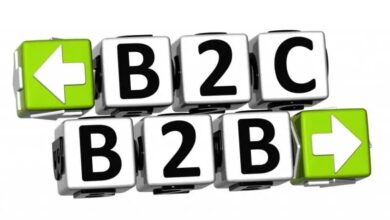
At its heart, the b2b meaning refers to ‘business-to-business’—a transaction model where one business sells products or services to another. Unlike B2C (business-to-consumer), B2B focuses on solving business problems, streamlining operations, and creating value across supply chains.
What Does B2B Stand For?
B2B stands for Business-to-Business. This model involves companies selling goods or services to other companies rather than individual consumers. For example, a software company selling CRM tools to a marketing agency operates under the B2B model.
- B2B transactions often involve longer sales cycles.
- Decision-making is typically multi-layered, involving procurement teams, managers, and executives.
- Pricing is often negotiated and customized based on volume or contract length.
Understanding the b2b meaning starts with recognizing that these relationships are built on trust, reliability, and long-term value.
How B2B Differs from B2C
While both models involve selling, the motivations, processes, and customer expectations differ significantly. In B2C, emotional appeal and instant gratification drive purchases. In B2B, logic, ROI, and efficiency take center stage.
- B2B buyers seek solutions that improve productivity or reduce costs.
- Purchases are often based on detailed proposals and contracts.
- Customer support and service level agreements (SLAs) are critical.
“B2B is not just about selling to businesses—it’s about becoming a strategic partner.” — Forbes Insights
Historical Evolution of B2B Business Models
The b2b meaning has evolved dramatically over the past century. What began as simple supplier-buyer relationships has transformed into complex digital ecosystems powered by data and automation.
From Industrial Trade to Digital Marketplaces
In the early 20th century, B2B transactions were largely conducted through catalogs, trade shows, and direct sales reps. The rise of industrialization created demand for raw materials, machinery, and components—fueling B2B trade.
By the 1990s, the internet revolutionized B2B commerce. Platforms like Alibaba and ThomasNet emerged, enabling businesses to source globally. Today, digital marketplaces account for over $1 trillion in annual B2B sales.
The Role of ERP and Supply Chain Integration
Enterprise Resource Planning (ERP) systems like SAP and Oracle have been pivotal in shaping modern B2B operations. These platforms integrate procurement, inventory, finance, and logistics—enabling seamless transactions between businesses.
- ERP systems reduce operational friction.
- They enable real-time data sharing across partners.
- Automation minimizes human error in ordering and fulfillment.
The evolution of B2B reflects a shift from transactional interactions to integrated, technology-driven partnerships.
Key Characteristics of B2B Transactions
To fully grasp the b2b meaning, it’s essential to understand the defining traits that set B2B apart from other business models.
Longer Sales Cycles and Complex Decision-Making
B2B sales cycles can last weeks, months, or even years. Multiple stakeholders—such as technical evaluators, budget approvers, and end-users—must agree before a deal closes.
- Buyers often require detailed product demonstrations.
- Legal and compliance teams may review contracts.
- Procurement departments evaluate ROI and total cost of ownership.
This complexity demands a consultative sales approach, where vendors act as advisors rather than just sellers.
Volume-Based Pricing and Contractual Agreements
B2B pricing is rarely fixed. Instead, it’s often tiered based on order volume, contract duration, or service level.
- Wholesale discounts incentivize bulk purchases.
- Annual contracts lock in pricing and ensure supply stability.
- Service-level agreements (SLAs) define performance expectations.
These structures foster long-term relationships and predictable revenue streams for both parties.
“In B2B, the sale doesn’t end at the contract—it begins.” — Harvard Business Review
B2B Meaning in the Digital Age: E-Commerce and Automation
The digital transformation has redefined the b2b meaning, making online platforms central to how businesses buy and sell.
Rise of B2B E-Commerce Platforms
Platforms like Amazon Business, Shopify B2B, and Alibaba have made it easier than ever for companies to discover, compare, and purchase products online.
- Amazon Business reported over $25 billion in sales in 2022.
- B2B buyers now expect Amazon-like experiences: fast search, reviews, and one-click reordering.
- Mobile access allows procurement on the go.
According to Statista, global B2B e-commerce is projected to reach $20.9 trillion by 2027—far surpassing B2C.
b2b meaning – B2b meaning menjadi aspek penting yang dibahas di sini.
Automation and AI in B2B Sales
Artificial intelligence is transforming B2B sales and marketing. Chatbots, predictive analytics, and automated quoting systems streamline interactions.
- AI-powered tools qualify leads faster.
- Dynamic pricing engines adjust quotes in real time.
- CRM systems like Salesforce use AI to recommend next steps.
These technologies reduce friction, improve accuracy, and enhance customer experience.
Types of B2B Business Relationships
Understanding the b2b meaning also involves recognizing the different types of relationships that exist within this model.
Manufacturer to Wholesaler
This is one of the most traditional B2B relationships. A manufacturer produces goods and sells them in bulk to wholesalers, who then distribute to retailers.
- Example: A textile mill supplying fabric to a clothing wholesaler.
- Volume discounts are common.
- Long-term supply agreements ensure stability.
This model relies on efficient logistics and inventory management.
Wholesaler to Retailer
Wholesalers act as intermediaries, purchasing large quantities from manufacturers and reselling to retailers at a markup.
- They reduce the burden on manufacturers to manage numerous small orders.
- Offer warehousing and regional distribution.
- Provide credit terms to retailers.
This layer adds value through aggregation and distribution efficiency.
Service-Based B2B (SaaS, Consulting, etc.)
Not all B2B involves physical goods. Many modern B2B companies offer services such as software, marketing, or IT support.
- SaaS (Software as a Service) companies like Zoom or Slack serve businesses globally.
- Consulting firms help organizations improve strategy or operations.
- Managed IT services ensure cybersecurity and uptime.
These models often operate on subscription-based pricing, creating recurring revenue.
“The future of B2B isn’t just about products—it’s about outcomes.” — Gartner
B2B Marketing: Strategies That Drive Results
Marketing in the B2B space is fundamentally different from B2C. It’s more targeted, data-driven, and relationship-focused.
Content Marketing and Thought Leadership
B2B buyers are researchers. They consume whitepapers, case studies, and webinars before making decisions.
- High-quality content builds credibility.
- SEO-optimized blogs attract organic traffic.
- Webinars position brands as industry experts.
According to Content Marketing Institute, 91% of B2B marketers use content marketing to reach customers.
Account-Based Marketing (ABM)
ABM is a strategic approach where marketing and sales teams collaborate to target high-value accounts with personalized campaigns.
- Instead of broad outreach, ABM focuses on specific companies.
- Customized messaging increases engagement.
- Success is measured by account penetration and deal size.
ABM has been shown to deliver up to 200% higher ROI than traditional marketing.
Lead Generation and Nurturing
B2B lead generation relies on capturing intent through gated content, demos, and trials.
- Landing pages with clear CTAs convert visitors.
- Email drip campaigns nurture leads over time.
- CRM integration ensures timely follow-ups.
Effective nurturing can shorten sales cycles and improve conversion rates.
The Global Impact of B2B Commerce
The b2b meaning extends beyond individual transactions—it shapes global trade, innovation, and economic growth.
B2B in Supply Chain and Global Trade
Every product you buy has a B2B backstory. From raw materials to manufacturing to distribution, B2B relationships power the global supply chain.
b2b meaning – B2b meaning menjadi aspek penting yang dibahas di sini.
- Automotive companies rely on hundreds of B2B suppliers.
- Pharmaceutical firms depend on specialized chemical providers.
- Just-in-time manufacturing requires precise B2B coordination.
Disruptions in B2B networks—like those seen during the pandemic—can ripple across economies.
Economic Contribution and Job Creation
B2B sectors contribute significantly to GDP and employment. Manufacturing, logistics, and professional services are all B2B-heavy industries.
- In the U.S., B2B spending exceeds $12 trillion annually.
- Small businesses often serve as B2B suppliers to larger corporations.
- Export-oriented B2B firms boost national competitiveness.
Supporting B2B growth is essential for economic resilience.
Sustainability and Ethical Sourcing in B2B
Modern B2B relationships are increasingly shaped by sustainability goals.
- Companies demand eco-friendly packaging from suppliers.
- Carbon footprint tracking is becoming standard.
- Ethical labor practices are scrutinized in procurement decisions.
According to McKinsey, 70% of B2B buyers consider sustainability when choosing vendors.
What is the basic b2b meaning?
The basic b2b meaning is ‘business-to-business,’ referring to transactions between two businesses, such as a manufacturer selling to a wholesaler or a SaaS company providing software to another business.
How does B2B differ from B2C?
B2B involves longer sales cycles, multiple decision-makers, and a focus on ROI and efficiency, while B2C is driven by individual consumers, emotional appeal, and faster purchasing decisions.
What are common examples of B2B companies?
Examples include Salesforce (SaaS), Intel (semiconductors), Grainger (industrial supplies), and McKinsey (consulting). These companies sell products or services to other businesses.
Is B2B e-commerce growing?
Yes, B2B e-commerce is growing rapidly. It’s projected to reach $20.9 trillion by 2027, fueled by digital transformation, automation, and demand for seamless procurement experiences.
Why is B2B marketing more complex?
B2B marketing is more complex due to longer decision-making processes, the need for educational content, and the importance of building trust with multiple stakeholders across an organization.
Understanding the b2b meaning is essential for anyone involved in modern business. From its historical roots to its digital evolution, B2B is the engine of global commerce. Whether you’re a startup founder, marketer, or executive, grasping the nuances of B2B relationships, marketing strategies, and economic impact empowers smarter decisions. As technology advances and sustainability becomes a priority, the B2B landscape will continue to evolve—offering new opportunities for innovation and growth.
b2b meaning – B2b meaning menjadi aspek penting yang dibahas di sini.
Further Reading: