Welcome to the ultimate guide on B2B—where business meets strategy, growth, and long-term success. Whether you’re new to the scene or scaling fast, this deep dive reveals everything you need to dominate your market.





Understanding the Core of B2B

Business-to-business (B2B) refers to transactions between companies, such as a manufacturer selling to a wholesaler or a software provider offering tools to enterprises. Unlike B2C, B2B relationships are built on logic, ROI, and long-term value.
What Exactly Is B2B?
B2B, or business-to-business, describes commerce where one company sells products or services to another. These transactions form the backbone of global supply chains and enterprise ecosystems. From raw materials to cloud-based SaaS platforms, B2B spans nearly every industry.
- Examples include software vendors, logistics providers, and industrial equipment suppliers.
- B2B often involves longer sales cycles and multiple decision-makers.
- Relationships are typically contractual and data-driven.
“B2B is not just about selling—it’s about solving complex business problems with scalable solutions.” — Harvard Business Review
How B2B Differs from B2C
While both models involve selling, B2B and B2C differ fundamentally in audience, messaging, and sales dynamics. B2C targets individual consumers driven by emotion and instant gratification, whereas B2B buyers prioritize efficiency, cost savings, and strategic alignment.
- B2B decisions are often made by committees, not individuals.
- Pricing is frequently negotiated, not fixed.
- Marketing focuses on thought leadership and case studies, not lifestyle branding.
The Evolution of B2B Over Time
B2B has undergone a radical transformation—from paper catalogs and trade shows to AI-driven platforms and digital marketplaces. Understanding this evolution helps businesses anticipate future trends and stay ahead.
From Traditional to Digital B2B
In the 20th century, B2B relied heavily on face-to-face meetings, phone calls, and printed catalogs. The internet revolutionized this model, enabling online ordering, real-time inventory tracking, and global reach. Today, platforms like Alibaba connect suppliers and buyers across continents instantly.
- E-commerce portals have replaced many physical distributors.
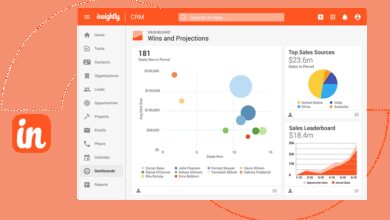
- CRM systems like Salesforce streamline customer interactions.
- Digital procurement tools automate purchasing workflows.
Impact of Technology on B2B
Technological advancements have redefined how B2B companies operate. Cloud computing, artificial intelligence, and big data analytics now empower businesses to personalize offerings, predict demand, and optimize supply chains.
- AI chatbots handle initial customer inquiries 24/7.
- Machine learning identifies high-value leads based on behavioral patterns.
- Blockchain enhances transparency in supply chain transactions.
“Digital transformation isn’t optional in B2B—it’s existential.” — McKinsey & Company
B2B Marketing: Strategies That Deliver Results
Effective B2B marketing goes beyond ads and emails. It’s about building trust, demonstrating expertise, and guiding prospects through a complex decision-making journey. Let’s explore the most impactful strategies.
Content Marketing for B2B Audiences
High-quality content is the cornerstone of modern B2B marketing. Whitepapers, webinars, case studies, and blog posts position your brand as an authority. According to Content Marketing Institute, 91% of B2B marketers use content to reach customers.
- Create in-depth guides that solve specific industry pain points.
- Use SEO-optimized blogs to attract organic traffic.
- Repurpose content into videos, infographics, and podcasts.
Leveraging LinkedIn for B2B Growth
LinkedIn is the premier social platform for B2B engagement. With over 900 million users, it offers unmatched access to decision-makers, influencers, and industry leaders. A well-optimized profile and consistent posting can generate high-quality leads.
- Share insights, company updates, and thought leadership articles.
- Engage in niche groups related to your sector.
- Use LinkedIn Ads to target specific job titles, industries, and company sizes.
“On LinkedIn, every post is a handshake with opportunity.” — Forbes
The B2B Sales Funnel: Mapping the Buyer’s Journey
The B2B sales funnel is longer and more complex than its B2C counterpart. Prospects move through stages—from awareness to consideration, decision, and advocacy. Mastering each phase is critical for conversion.
Awareness Stage: Attracting the Right Audience
This is where potential buyers realize they have a problem. Your goal is to be visible when they search for solutions. SEO, paid ads, and educational content play a vital role here.
- Optimize landing pages for high-intent keywords.
- Run Google Ads targeting industry-specific queries.
- Host free webinars to capture early-stage leads.
Consideration Stage: Nurturing Leads
At this point, prospects are comparing options. Provide them with comparison guides, product demos, and testimonials to build confidence in your solution.
- Send personalized email sequences based on user behavior.
- Offer free trials or consultations.
- Use retargeting ads to stay top-of-mind.
Decision Stage: Closing the Deal
Now, the buyer is ready to choose. Your sales team must deliver clear value propositions, pricing transparency, and strong customer support.
- Provide detailed proposals with ROI projections.
- Offer flexible contract terms.
- Highlight security, compliance, and integration capabilities.
“The best B2B salespeople don’t sell—they consult.” — HubSpot
B2B E-Commerce: The Digital Marketplace Revolution
B2B e-commerce is booming. By 2027, the global B2B digital market is projected to reach $20.9 trillion, according to Forrester Research. Companies are no longer just selling online—they’re building immersive digital experiences.
Key Features of a Successful B2B E-Commerce Platform
A robust B2B e-commerce site must go beyond basic shopping carts. It should support bulk ordering, custom pricing, account management, and seamless integration with ERP systems.
- Enable self-service portals for repeat customers.
- Integrate with CRM and inventory management tools.
- Offer multiple payment options, including net terms.
Challenges in B2B Online Sales
Despite its growth, B2B e-commerce faces hurdles like complex pricing structures, lack of personalization, and integration issues. Overcoming these requires strategic planning and technology investment.
- Dynamic pricing engines can adjust rates based on volume or customer tier.
- AI-powered recommendations improve user experience.
- API-first platforms ensure smooth data flow across systems.
“The future of B2B is frictionless digital commerce.” — Gartner
Customer Relationship Management in B2B
In B2B, relationships are everything. A single client can represent millions in revenue over time. Effective CRM ensures consistent communication, timely follow-ups, and deeper customer insights.
Choosing the Right CRM for B2B
Not all CRMs are created equal. For B2B, you need a system that tracks complex sales cycles, manages multiple contacts per account, and integrates with marketing automation.
- Salesforce is a leader in enterprise B2B CRM.
- HubSpot offers scalable solutions for mid-market companies.
- Microsoft Dynamics 365 integrates well with existing Office 365 environments.
Maximizing Customer Retention
Acquiring a new B2B customer can cost five times more than retaining an existing one. Focus on onboarding, regular check-ins, and value-added services to keep clients loyal.
- Assign dedicated account managers for key clients.
- Conduct quarterly business reviews (QBRs).
- Offer training and certification programs.
“In B2B, retention isn’t a goal—it’s a strategy.” — Bain & Company
B2B Analytics: Data-Driven Decision Making
Without data, B2B strategies are guesses. Analytics provide visibility into customer behavior, campaign performance, and operational efficiency. The right metrics can transform your business.
Essential B2B Metrics to Track
Focus on KPIs that reflect long-term health and growth. These include Customer Acquisition Cost (CAC), Lifetime Value (LTV), churn rate, and sales cycle length.
- LTV:CAC ratio should ideally be 3:1 or higher.
- Monitor lead-to-customer conversion rates by channel.
- Track Net Promoter Score (NPS) to gauge satisfaction.
Tools for B2B Data Analysis
Leverage powerful analytics platforms to turn raw data into actionable insights. Google Analytics, Tableau, and Mixpanel are widely used in B2B environments.
- Google Analytics 4 tracks cross-platform user journeys.
- Tableau enables advanced data visualization for executives.
- Mixpanel helps analyze user engagement in SaaS products.
“What gets measured gets managed.” — Peter Drucker
Future Trends Shaping B2B
The B2B landscape is evolving rapidly. Emerging technologies, shifting buyer expectations, and global economic changes are redefining how businesses interact. Staying ahead means embracing innovation today.
AI and Automation in B2B
Artificial intelligence is no longer futuristic—it’s foundational. From predictive lead scoring to automated customer service, AI enhances efficiency and personalization at scale.
- Chatbots handle routine inquiries, freeing up human agents.
- Predictive analytics forecast customer needs before they arise.
- NLP-powered tools analyze customer feedback in real time.
Sustainability and Ethical Sourcing in B2B
Modern B2B buyers care about more than price and performance. They demand transparency, sustainability, and ethical practices throughout the supply chain.
- Companies like Patagonia set benchmarks in responsible sourcing.
- Carbon footprint tracking is becoming a standard request.
- ESG (Environmental, Social, Governance) compliance influences procurement decisions.
“Sustainability is the new competitive advantage in B2B.” — Deloitte Insights
What is the difference between B2B and B2C?
B2B involves transactions between businesses, focusing on logic, ROI, and long sales cycles. B2C targets individual consumers with emotional appeals and shorter decision processes. B2B often involves multiple stakeholders, while B2C decisions are usually made by one person.
How long is the average B2B sales cycle?
The average B2B sales cycle ranges from 1 to 6 months, depending on the industry and complexity of the product. High-value SaaS or enterprise software deals can take over a year to close due to procurement reviews and contract negotiations.
What are the best channels for B2B marketing?
The most effective B2B marketing channels include LinkedIn, email marketing, SEO-driven content, webinars, and industry events. Account-Based Marketing (ABM) is also gaining traction for targeting high-value clients.
Why is CRM important in B2B?
CRM is crucial in B2B because it helps manage complex relationships, track long sales cycles, and personalize communication. It centralizes customer data, enabling better service, faster response times, and improved retention.
Is B2B e-commerce growing?
Yes, B2B e-commerce is growing rapidly. It’s projected to reach $20.9 trillion by 2027, driven by digital transformation, demand for self-service platforms, and integration with ERP and procurement systems.
B2B is more than a transaction model—it’s a strategic ecosystem built on trust, data, and long-term value. From mastering the sales funnel to leveraging AI and sustainability, the future belongs to those who adapt. By focusing on customer-centric strategies, embracing technology, and measuring what matters, your B2B business can achieve lasting success. The journey doesn’t end here—keep learning, testing, and evolving.
Further Reading: