Ever wondered how companies buy and sell goods at lightning speed? Welcome to the world of b2b marketplace—a digital revolution reshaping how businesses connect, trade, and grow. It’s not just e-commerce; it’s e-commerce on steroids.





What Is a B2B Marketplace?

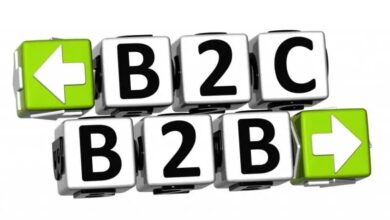
A B2B (business-to-business) marketplace is an online platform where businesses buy and sell products or services to other businesses. Unlike B2C (business-to-consumer) platforms like Amazon or Shopee, B2B marketplaces focus on bulk transactions, long-term contracts, and complex supply chains. Think of it as a digital wholesale hub where manufacturers, distributors, and retailers meet under one virtual roof.
Core Definition and Functionality
At its core, a b2b marketplace acts as an intermediary that connects suppliers with business buyers. These platforms facilitate transactions by offering product listings, pricing, logistics coordination, and sometimes even payment processing. The goal? To streamline procurement, reduce operational friction, and increase market reach for all parties involved.
- Facilitates bulk purchasing and wholesale transactions
- Supports complex pricing models (tiered, negotiated, contract-based)
- Enables integration with ERP and procurement systems
According to Grand View Research, the global B2B e-commerce market was valued at USD 14.9 trillion in 2022 and is expected to grow at a CAGR of 18.7% through 2030. This explosive growth underscores the rising dominance of digital platforms in business procurement.
How It Differs from B2C Marketplaces
While both B2B and B2C marketplaces operate online, their mechanics and user expectations differ significantly. B2C platforms cater to individual consumers making one-off purchases, often influenced by emotions and branding. In contrast, B2B buyers are rational decision-makers focused on value, reliability, and scalability.
- Purchase Volume: B2B transactions involve larger quantities and higher order values.
- Relationship Depth: B2B sales often require long-term contracts and personalized service.
- Decision-Making: B2B purchases involve multiple stakeholders (procurement, finance, operations).
“B2B buyers don’t just buy products—they buy solutions, reliability, and partnerships.” — Forrester Research
Key Benefits of Using a B2B Marketplace
Adopting a b2b marketplace isn’t just a trend—it’s a strategic move that can redefine how your business operates. From cost savings to global reach, the advantages are compelling and measurable.
Cost Efficiency and Operational Savings
One of the most immediate benefits of a b2b marketplace is the reduction in procurement costs. By centralizing suppliers and automating purchasing workflows, companies can eliminate manual processes, reduce errors, and negotiate better rates through volume aggregation.
- Automated purchase orders reduce administrative overhead
- Transparent pricing eliminates hidden fees and markups
- Dynamic bidding and supplier competition drive down prices
For example, companies using platforms like Alibaba report up to 30% savings on sourcing costs compared to traditional procurement methods.
Global Reach and Market Expansion
A b2b marketplace breaks down geographical barriers. Suppliers in Vietnam can sell to manufacturers in Germany, and distributors in Brazil can source components from South Korea—all within minutes. This global connectivity opens new revenue streams and diversifies supply chains.
- Access to international suppliers reduces dependency on local vendors
- Buyers can compare global pricing and quality standards
- Sellers gain exposure to new markets without physical presence
The World Trade Organization notes that digital platforms have reduced trade costs by up to 15%, making cross-border B2B commerce more accessible than ever.
Top B2B Marketplaces You Should Know
The b2b marketplace landscape is vast and varied. Some platforms specialize in industrial goods, while others focus on niche sectors like electronics or raw materials. Understanding the major players helps businesses choose the right platform for their needs.
Alibaba: The Global Giant
No discussion about b2b marketplace platforms is complete without mentioning Alibaba. Founded in 1999, Alibaba connects millions of suppliers, primarily from China, with buyers worldwide. It’s the go-to platform for sourcing everything from electronics to textiles.
- Over 260,000 suppliers listed globally
- Supports MOQ (Minimum Order Quantity) customization
- Offers trade assurance for secure transactions
Alibaba’s success lies in its ability to scale trust through verification systems and escrow payments. As of 2023, it reported over USD 1 trillion in annual gross merchandise volume (GMV).
ThomasNet: The Industrial Specialist
Focused on North America, ThomasNet is a leading b2b marketplace for industrial products and manufacturing services. It’s particularly strong in sectors like machinery, automation, and raw materials.
- Comprehensive supplier database with detailed certifications
- Advanced search filters for technical specifications
- Integration with CAD models for engineering procurement
ThomasNet is trusted by Fortune 500 companies for its rigorous supplier vetting and technical depth.
Amazon Business: The E-Commerce Powerhouse
Leveraging its massive infrastructure, Amazon launched Amazon Business in 2015 to capture the B2B segment. It offers a familiar interface with B2B-specific features like bulk pricing, tax-exempt purchasing, and business-only product lines.
- Over 100 million products available
- Seamless integration with Amazon Prime for fast delivery
- Custom approval workflows for enterprise buyers
Amazon Business now serves over 5 million businesses globally and continues to expand its supplier network.
How to Choose the Right B2B Marketplace for Your Business
Not all b2b marketplace platforms are created equal. Selecting the right one requires careful evaluation of your business needs, industry, and long-term goals. A mismatch can lead to wasted resources and missed opportunities.
Assess Your Industry and Product Fit
The first step is identifying whether a platform specializes in your industry. A chemical manufacturer won’t benefit much from a marketplace focused on office supplies. Look for platforms with deep category expertise and supplier relevance.
- Check if the platform has a dedicated category for your product type
- Review supplier profiles for experience and certifications
- Look for customer reviews and ratings specific to your niche
For instance, Made-in-China.com excels in heavy machinery and industrial equipment, making it ideal for construction and manufacturing firms.
Evaluate Platform Features and Integration
Modern b2b marketplace platforms must integrate with your existing systems—ERP, CRM, and procurement software. Without seamless integration, data silos and manual entry will negate efficiency gains.
- API availability for real-time inventory and order sync
- Support for EDI (Electronic Data Interchange) standards
- Customizable dashboards for procurement analytics
Platforms like SAP Ariba offer deep ERP integration, enabling enterprises to manage spend, contracts, and supplier performance from a single interface.
Analyze Fees, Contracts, and Support
While many b2b marketplace platforms are free for buyers, sellers often face listing fees, transaction commissions, or subscription costs. Understanding the pricing model is crucial to calculating ROI.
- Compare commission rates (typically 5–15% per sale)
- Check for hidden costs like premium listing fees
- Assess customer support quality and response time
Some platforms, like Global Sources, offer tiered membership plans that provide better visibility and lead generation tools for higher fees.
Challenges and Risks in B2B Marketplaces
Despite their advantages, b2b marketplace platforms come with inherent challenges. From trust issues to platform dependency, businesses must navigate these risks strategically.
Trust and Supplier Verification
One of the biggest hurdles in a b2b marketplace is verifying supplier credibility. Unlike direct relationships, marketplace transactions involve third-party intermediaries, increasing the risk of fraud or substandard quality.
- Use platforms with verified supplier badges and audits
- Request samples before placing large orders
- Leverage escrow services for payment security
Alibaba’s Trade Assurance program, for example, protects buyers by refunding payments if suppliers fail to meet order specifications.
Price Competition and Margin Pressure
The transparency of b2b marketplace platforms can lead to intense price competition. When multiple suppliers list identical products, buyers naturally gravitate toward the lowest price, squeezing profit margins.
- Differentiate through value-added services (customization, fast shipping)
- Offer bundled solutions instead of commoditized products
- Build brand trust to justify premium pricing
A study by McKinsey found that 60% of B2B buyers prioritize price over brand, making differentiation critical for survival.
Platform Dependency and Data Control
Relying too heavily on a single b2b marketplace can be risky. If the platform changes its algorithm, fees, or policies, your business could suffer overnight. Moreover, you may lose control over customer data and relationships.
- Diversify across multiple platforms to reduce risk
- Use marketplaces as lead generation tools, not primary sales channels
- Collect buyer data (where allowed) to build direct relationships
“Owning your customer relationship is more valuable than renting it through a platform.” — Harvard Business Review
Innovations Shaping the Future of B2B Marketplaces
The b2b marketplace ecosystem is evolving rapidly, driven by technology and changing buyer expectations. From AI to blockchain, new innovations are enhancing efficiency, transparency, and personalization.
AI-Powered Procurement and Personalization
Artificial intelligence is transforming how businesses discover and purchase products. AI algorithms analyze past buying behavior, inventory levels, and market trends to recommend optimal suppliers and reorder points.
- Smart search engines understand natural language queries
- Predictive analytics forecast demand and suggest bulk purchases
- Chatbots handle routine inquiries and order tracking
Platforms like Jaggaer use AI to automate sourcing events and supplier negotiations, reducing procurement cycle times by up to 50%.
Blockchain for Transparency and Trust
Blockchain technology is being adopted to enhance traceability and authenticity in b2b marketplace transactions. By recording every step of the supply chain on an immutable ledger, businesses can verify product origins and compliance.
- Track raw materials from source to finished product
- Prevent counterfeit goods in high-risk industries (pharma, aerospace)
- Automate contract execution via smart contracts
IBM and Maersk’s TradeLens platform uses blockchain to digitize global shipping documentation, reducing delays and fraud.
Integration with IoT and Smart Manufacturing
The Internet of Things (IoT) is enabling real-time inventory monitoring and automated reordering. Smart machines can detect when parts are running low and trigger purchases directly through a b2b marketplace.
- Industrial sensors communicate with procurement systems
- Automated PO generation based on usage data
- Reduced downtime through just-in-time replenishment
Siemens’ Mindsphere platform integrates IoT data with procurement workflows, enabling predictive maintenance and supply chain automation.
How to Succeed as a Seller on a B2B Marketplace
Simply listing your products on a b2b marketplace isn’t enough. To thrive, sellers need a strategic approach to visibility, customer engagement, and performance optimization.
Optimize Product Listings for Maximum Visibility
Your product listing is your digital storefront. A poorly written description or low-quality image can cost you sales. Invest time in creating compelling, accurate, and keyword-rich listings.
- Use high-resolution images from multiple angles
- Include detailed specifications (dimensions, materials, certifications)
- Incorporate relevant keywords like ‘industrial valves,’ ‘bulk packaging,’ etc.
According to a Brightpearl report, listings with complete product data see 3x higher conversion rates than incomplete ones.
Build Trust Through Reviews and Social Proof
In the absence of face-to-face interaction, reviews and ratings become critical trust signals. Encourage satisfied customers to leave feedback and respond professionally to negative reviews.
- Follow up with buyers post-transaction to request reviews
- Showcase testimonials on your profile page
- Highlight years in business, certifications, and client logos
Sellers with verified badges and 4.5+ star ratings on ThomasNet receive 40% more inquiry requests than unverified peers.
Leverage Data Analytics for Strategic Decisions
Most b2b marketplace platforms provide analytics dashboards showing views, inquiries, conversion rates, and customer behavior. Use this data to refine your pricing, inventory, and marketing strategies.
- Identify high-performing products and double down on them
- Adjust pricing based on demand trends and competitor activity
- Track customer acquisition cost (CAC) and lifetime value (LTV)
Advanced sellers use tools like Google Analytics and Tableau to merge marketplace data with internal sales data for holistic insights.
The Role of B2B Marketplaces in Supply Chain Resilience
In an era of disruptions—from pandemics to geopolitical tensions—supply chain resilience has become a top priority. B2B marketplaces play a crucial role in building agile, responsive, and diversified supply networks.
Diversifying Supplier Networks
Relying on a single supplier or region is risky. B2B marketplaces enable businesses to quickly identify and onboard alternative suppliers, reducing dependency and mitigating risk.
- Discover suppliers in different geographic regions
- Compare lead times, MOQs, and compliance standards
- Conduct virtual audits and sample testing
During the 2020 supply chain crisis, companies using global b2b marketplace platforms were 35% faster in finding alternative suppliers than those relying on traditional networks.
Real-Time Inventory and Demand Visibility
Modern b2b marketplace platforms offer real-time inventory tracking, allowing buyers to see stock levels and estimated availability. This transparency improves planning and reduces the risk of stockouts.
- Sync inventory feeds across multiple sales channels
- Receive alerts for low stock or delayed shipments
- Use predictive analytics to anticipate demand spikes
Platforms like Faire integrate with accounting and inventory systems to provide a unified view of supply and demand.
Agile Procurement in Crisis Situations
In emergencies, speed is critical. B2B marketplaces enable rapid sourcing of critical components, medical supplies, or raw materials without lengthy negotiations.
- Use search filters to find available stock immediately
- Leverage expedited shipping options
- Engage in reverse auctions for urgent needs
During the early days of the pandemic, hospitals used platforms like Kompass to source PPE from verified suppliers within 48 hours.
What is a B2B marketplace?
A B2B marketplace is an online platform where businesses buy and sell products or services to other businesses. It streamlines procurement, enables global trade, and supports bulk transactions with features like contract pricing and ERP integration.
How does a B2B marketplace differ from B2C?
B2B marketplaces focus on bulk, high-value transactions between businesses, involve longer sales cycles, and require relationship management. B2C platforms target individual consumers with simpler, emotion-driven purchases.
Are B2B marketplaces safe for transactions?
Yes, most reputable b2b marketplace platforms offer security features like supplier verification, escrow payments, and trade assurance. However, due diligence and sample testing are still recommended before large orders.
Can small businesses benefit from B2B marketplaces?
Absolutely. Small businesses can access global markets, reduce sales costs, and compete with larger players by leveraging the reach and infrastructure of b2b marketplace platforms.
What are the biggest challenges in B2B marketplaces?
Key challenges include supplier trust, price competition, platform dependency, and data control. Businesses must adopt strategies like diversification, differentiation, and direct relationship building to mitigate these risks.
B2B marketplaces are no longer optional—they’re essential. From cost savings and global reach to supply chain resilience and digital innovation, these platforms are redefining how businesses operate. Whether you’re a buyer seeking efficiency or a seller aiming for growth, understanding and leveraging the power of a b2b marketplace can be a game-changer. The future of business commerce is digital, interconnected, and smarter than ever.
Further Reading: