If you’ve ever wondered what truly effective B2B examples look like in action, you’re in the right place. This deep dive explores real companies, proven strategies, and the mechanics behind successful business-to-business relationships that drive growth and innovation.




B2B Examples: Understanding the Core Concept

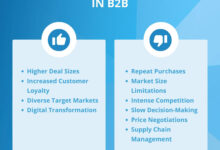
Before diving into specific cases, it’s crucial to understand what B2B (Business-to-Business) actually means. Unlike B2C (Business-to-Consumer), B2B involves transactions between two businesses, where one company provides products or services to another. These relationships are often long-term, involve higher transaction values, and require detailed decision-making processes.
What Defines a B2B Model?
The B2B model is built on efficiency, scalability, and value creation across organizational lines. It’s not just about selling; it’s about solving business problems through collaboration, innovation, and strategic alignment.
- Transactions occur between businesses, not individuals.
- Sales cycles are typically longer and more complex.
- Decision-making involves multiple stakeholders.
- Pricing is often customized based on volume or contract terms.
“B2B is not just a transaction; it’s a relationship built on trust, reliability, and mutual growth.” — Forbes Insights
Why B2B Examples Matter for Modern Businesses
Studying real-world B2B examples helps companies benchmark their strategies, identify best practices, and avoid common pitfalls. Whether you’re a startup or an enterprise, understanding how others succeed in the B2B space can be a game-changer.
- They provide actionable insights into sales, marketing, and customer retention.
- They highlight the importance of value propositions tailored to business needs.
- They demonstrate how technology and data drive B2B success.
For instance, IBM has long been a leader in B2B technology solutions, offering cloud services, AI, and consulting to enterprises worldwide—making it one of the most cited B2B examples in tech.
Top 7 Real-World B2B Examples That Transformed Industries
Let’s explore seven powerful B2B examples that not only survived but thrived by redefining how businesses serve other businesses. These companies leveraged innovation, customer-centric models, and scalable platforms to dominate their niches.
1. Salesforce: Revolutionizing CRM for Enterprises
Salesforce is a textbook example of a B2B success story. Founded in 1999, it pioneered cloud-based Customer Relationship Management (CRM) software, eliminating the need for on-premise installations.
- Offers scalable CRM solutions for sales, service, marketing, and analytics.
- Uses a subscription-based SaaS (Software as a Service) model.
- Integrates with thousands of third-party apps via its AppExchange.
Salesforce’s ecosystem empowers businesses to streamline operations, improve customer engagement, and drive revenue. According to Salesforce’s official site, over 150,000 companies use its platform globally, making it one of the most influential B2B examples in SaaS history.
“Salesforce didn’t just sell software; it sold a vision of connected customer experiences.” — Harvard Business Review
2. Slack: Redefining Internal Business Communication
Slack started as a tool for internal team communication but quickly evolved into a B2B powerhouse. It replaced fragmented email chains with organized, searchable, and integrated workspaces.
- Designed for teams within organizations to collaborate in real time.
- Integrates with Google Workspace, Microsoft Office, Zoom, and more.
- Offers enterprise-grade security and compliance features.
Slack’s success lies in its user-friendly interface and deep integration capabilities. Acquired by Salesforce in 2021 for $27.7 billion, Slack remains a prime example of how a simple tool can become a mission-critical B2B solution. Learn more at slack.com.
3. Shopify Plus: Empowering Enterprise E-Commerce
While Shopify is known for helping small businesses go online, Shopify Plus targets large enterprises with high-volume sales needs. It’s a perfect example of a B2B platform scaling to serve complex business requirements.
- Provides headless commerce, API-first architecture, and custom workflows.
- Supports global brands like Heinz, Gymshark, and Kylie Cosmetics.
- Offers 24/7 dedicated support and onboarding specialists.
Shopify Plus enables businesses to maintain brand control while scaling operations seamlessly. As stated on Shopify Plus’s official page, it helps companies manage millions in sales with minimal friction—proving that B2B examples can come from platforms traditionally seen as B2C.
B2B Examples in Manufacturing and Supply Chain
The manufacturing and supply chain sectors are rich with B2B examples where raw materials, components, and logistics services are exchanged between companies. These relationships form the backbone of global commerce.
General Electric (GE): Industrial B2B Powerhouse
GE is one of the oldest and most respected names in industrial B2B. From aviation engines to power generation systems, GE supplies critical infrastructure to governments and corporations worldwide.
- Provides turbines, jet engines, and healthcare equipment to other businesses.
- Operates on long-term service contracts, not one-time sales.
- Uses predictive analytics and IoT (via Predix platform) to optimize performance.
GE’s transition from a product-centric to a service-oriented model exemplifies modern B2B evolution. By offering “power-by-the-hour” contracts for jet engines, they shifted from selling products to selling outcomes—a trend increasingly common in advanced B2B examples.
“GE doesn’t sell engines; it sells flight hours.” — McKinsey & Company
Caterpillar Inc.: Building Global Infrastructure
Caterpillar is synonymous with heavy machinery. Its B2B model revolves around selling construction and mining equipment to contractors, governments, and energy companies.
- Sells excavators, bulldozers, and diesel engines to business clients.
- Offers financing, maintenance, and fleet management services.
- Uses telematics (CAT Connect) to monitor equipment health remotely.
Caterpillar’s success stems from its ability to combine hardware with digital services. Their B2B approach ensures customers maximize uptime and reduce operational costs—key factors in industrial decision-making. Explore their solutions at caterpillar.com.
B2B Examples in Technology and SaaS
The tech sector is home to some of the most innovative B2B examples, where software, platforms, and digital services enable businesses to operate more efficiently.
Microsoft Azure: Cloud Infrastructure for Enterprises
Microsoft Azure competes directly with Amazon Web Services (AWS) by offering cloud computing services to businesses of all sizes. It’s a prime example of infrastructure-as-a-service (IaaS) in the B2B world.
- Provides virtual machines, storage, databases, and AI tools.
- Integrates seamlessly with Microsoft 365 and Active Directory.
- Supports hybrid cloud environments for enterprise flexibility.
Azure’s strength lies in its integration with existing Microsoft ecosystems, making it a preferred choice for large organizations already using Microsoft products. According to Microsoft Azure’s official site, over 95% of Fortune 500 companies use Azure for their cloud needs—solidifying its place among top-tier B2B examples.
Zoom: From Startup to Enterprise Communication Leader
While Zoom gained fame during the pandemic, its B2B model was established long before. Zoom offers video conferencing, phone systems, and webinar platforms tailored for business use.
- Provides secure, scalable meeting solutions for remote teams.
- Offers admin controls, compliance features, and API access.
- Used by companies like Uber, Shopify, and Zoom itself for internal operations.
Zoom’s freemium model allowed rapid adoption, while its enterprise plans cater to large-scale deployments. Its success shows how a user-friendly product can scale into a critical B2B tool. Learn more at zoom.us.
B2B Examples in Logistics and Distribution
Logistics companies play a vital role in B2B ecosystems by ensuring the smooth flow of goods between manufacturers, wholesalers, and retailers.
FedEx: Connecting Global Supply Chains
FedEx is more than a delivery service; it’s a strategic B2B partner for countless companies relying on timely, reliable shipping.
- Offers express, ground, freight, and international shipping solutions.
- Provides supply chain consulting and inventory management services.
- Integrates with e-commerce platforms like Shopify and Magento.
FedEx’s B2B model goes beyond transportation. It offers visibility, tracking, and logistics optimization tools that help businesses manage their supply chains efficiently. As noted on FedEx’s business solutions page, their services are designed to reduce costs and improve delivery accuracy—key metrics in B2B performance.
“In B2B, time is money. FedEx delivers both.” — Logistics Management Magazine
Flexport: Digitizing Global Trade
Flexport is a modern B2B example that combines logistics with technology. It’s a digital freight forwarder that simplifies international shipping using data and automation.
- Offers air, ocean, and truck freight services with real-time tracking.
- Provides customs brokerage and trade compliance support.
- Uses AI to optimize routes and reduce shipping costs.
Flexport’s platform gives businesses unprecedented visibility into their global supply chains. Backed by investors like Google and Founders Fund, it represents the future of B2B logistics. Visit flexport.com to see how they’re transforming trade.
B2B Examples in Marketing and Advertising
Marketing agencies and ad tech companies serve other businesses by helping them reach customers, build brands, and generate leads. These B2B examples highlight the power of expertise and data-driven strategies.
HubSpot: Inbound Marketing and Sales Platform
HubSpot pioneered the inbound marketing methodology, helping businesses attract customers through content, SEO, and automation.
- Offers CRM, marketing automation, sales tools, and service hubs.
- Targets small to mid-sized businesses with scalable solutions.
- Provides extensive educational resources and certifications.
HubSpot’s B2B model is built on empowering businesses to grow using data and automation. Their platform integrates every stage of the customer journey, making them a go-to for modern B2B marketing. According to HubSpot’s website, over 200,000 customers use their tools worldwide.
“HubSpot turned marketing from interruption to invitation.” — Entrepreneur Magazine
Google Ads: B2B Advertising at Scale
While Google Ads is used by everyone, its B2B applications are profound. Companies use it to target decision-makers, generate leads, and promote enterprise solutions.
- Allows precise targeting based on job titles, industries, and interests.
- Supports lead generation forms, call ads, and remarketing.
- Integrates with Google Analytics and CRM systems.
Google Ads enables B2B companies to reach high-intent audiences at scale. For example, a SaaS company can target “IT managers” searching for “cloud security solutions,” making it one of the most effective digital B2B examples in advertising.
B2B Examples in Financial Services
Financial institutions serve businesses with specialized products like corporate banking, payment processing, and investment services. These B2B examples show how finance enables commerce.
Stripe: Payment Infrastructure for Internet Businesses
Stripe provides APIs that allow businesses to accept payments online. It’s a backend B2B solution used by millions of websites and apps.
- Enables subscription billing, marketplace payouts, and fraud detection.
- Used by companies like Amazon, Shopify, and Salesforce.
- Offers tools for tax calculation, compliance, and revenue forecasting.
Stripe’s developer-first approach has made it a favorite among tech companies. By simplifying complex financial processes, it empowers businesses to focus on growth. Learn more at stripe.com.
“Stripe is the invisible engine powering the digital economy.” — The Wall Street Journal
PayPal for Business: Secure Transactions at Scale
PayPal isn’t just for consumers. Its business solutions help companies manage payments, invoicing, and risk management.
- Offers merchant accounts, payment gateways, and working capital loans.
- Supports multi-currency transactions and fraud protection.
- Integrates with e-commerce platforms and accounting software.
With over 400 million active accounts, PayPal for Business is a trusted B2B example in fintech. Its reliability and global reach make it a preferred choice for cross-border transactions.
Key Takeaways from Successful B2B Examples
After reviewing these diverse B2B examples, several common themes emerge. These insights can guide any business looking to strengthen its B2B strategy.
Customer-Centric Solutions Drive Loyalty
The most successful B2B companies don’t just sell products—they solve problems. Whether it’s Salesforce improving sales efficiency or Caterpillar maximizing equipment uptime, the focus is on delivering measurable value.
- Understand your client’s pain points deeply.
- Design solutions that improve ROI or reduce costs.
- Offer ongoing support and continuous improvement.
Technology and Integration Are Non-Negotiable
In today’s digital landscape, B2B solutions must integrate seamlessly with existing systems. Platforms like Slack, Zoom, and Stripe succeed because they plug into workflows without friction.
- Adopt API-first architectures.
- Support popular third-party tools.
- Ensure data security and compliance.
Long-Term Relationships Trump One-Time Sales
B2B success is built on trust and longevity. Companies like GE and FedEx thrive on recurring contracts and service agreements, not one-off transactions.
- Focus on customer retention and lifetime value.
- Offer scalable pricing and flexible contracts.
- Invest in account management and success teams.
These principles, drawn from real B2B examples, form the foundation of sustainable business growth.
What are B2B examples?
B2B examples are real-world cases where one business provides products or services to another. Common examples include Salesforce selling CRM software to enterprises, FedEx offering logistics to retailers, or Stripe enabling online payments for e-commerce platforms.
How do B2B examples differ from B2C?
B2B examples involve longer sales cycles, multiple decision-makers, and a focus on ROI and efficiency. In contrast, B2C targets individual consumers with emotional appeals and shorter purchase journeys.
Why are B2B examples important for startups?
Studying B2B examples helps startups understand market dynamics, pricing models, and customer acquisition strategies. They provide blueprints for scaling and avoiding common pitfalls in business relationships.
Which B2B examples use subscription models?
Many SaaS companies like Salesforce, HubSpot, and Zoom use subscription-based B2B models. This ensures recurring revenue and long-term customer engagement.
How can I find more B2B examples in my industry?
You can explore industry reports from Gartner or Forrester, visit company case studies on vendor websites, or join B2B networking platforms like LinkedIn to discover relevant examples.
Understanding B2B examples is more than just studying companies—it’s about learning the principles that drive successful business relationships. From tech giants like Microsoft to logistics innovators like Flexport, these stories reveal how value, trust, and innovation shape the B2B world. Whether you’re building a SaaS platform or supplying industrial parts, the lessons from these examples can guide your strategy toward sustainable growth.
Further Reading: